Just How Welding Inspection Works: A Comprehensive Overview for Professionals
Welding inspection plays an essential function in guaranteeing the safety and dependability of welded structures. It entails a methodical technique that includes both aesthetic evaluation and advanced screening methods. Professionals need to familiarize themselves with vital requirements and regulations regulating the market. Comprehending the typical problems that can emerge during welding is necessary. This guide will check out these aspects carefully, offering understandings right into the processes that support high quality and honesty in welding.
Understanding the Value of Welding Examination
While lots of might take too lightly the significance of welding evaluation, it plays a necessary duty in ensuring the integrity and safety of welded structures. Effective welding inspection identifies potential problems and defects that can jeopardize structural strength and lead to catastrophic failings. The assessment process includes different methods, such as visual examinations, ultrasonic testing, and radiographic assessments, each contributing to the total analysis of weld top quality.
In enhancement to securing the structural integrity, welding inspection assures conformity with sector requirements and client requirements. By ensuring that welds meet needed tolerances and characteristics, assessments assist maintain the integrity and durability of components in different applications, from building to aerospace. Moreover, a strenuous assessment process cultivates a culture of top quality and responsibility among makers and welders. Eventually, welding examination is not simply a step-by-step step; it is a critical technique that underpins the safety and performance of crafted systems across varied sectors.
Secret Standards and Laws in Welding Examination
The foundation of efficient welding inspection copyrights on adherence to developed laws and standards. Numerous organizations, such as the American Welding Culture (AWS) and the American National Standards Institute (ANSI), stated standards that ensure high quality and safety and security in welding methods. Trick standards, such as AWS D1.1 for structural welding and ASME Area IX for stress vessels, provide complete criteria for welding credentials, inspections, and procedures. Regulatory frameworks, including those from the Occupational Security and Health And Wellness Management (OSHA), mandate security methods and worker securities in welding environments. Compliance with these standards is vital for achieving consistent weld quality and reducing the danger of failures. Additionally, international standards like ISO 3834 further enhance international uniformity in welding assessment methods. Experts should stay informed concerning these laws to guarantee that their examination methods align with industry assumptions and legal requirements, thereby guarding both employees and structural honesty.
First Preparation and Visual Examination Techniques
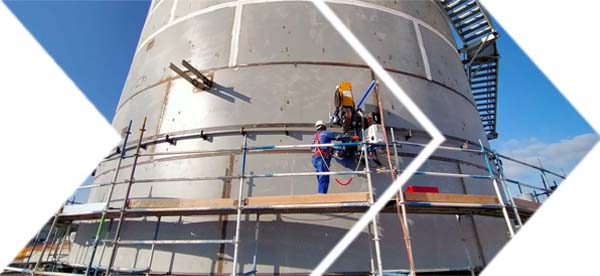
Reliable welding assessment begins with a thorough pre-inspection list that guarantees all needed conditions are satisfied prior to the actual assessment happens. Following this prep work, aesthetic problem recognition plays an important duty in evaluating weld high quality, permitting inspectors to identify concerns such as cracks or incorrect combination. With each other, these techniques develop the structure for a successful welding assessment procedure.
Pre-Inspection Checklist
Before starting any welding assessment, a comprehensive pre-inspection list is important to ensure that all essential prep work are finished which visual examination techniques are successfully utilized. Secret elements of this checklist consist of validating the welding procedure requirements (WPS), ensuring all devices is calibrated and in excellent functioning condition, and verifying that the inspector possesses the required qualifications. Additionally, it is vital to evaluate any kind of previous inspection reports and to examine the work setting for safety hazards. The inspector should additionally validate that all appropriate paperwork, such as material certificates and examination documents, is easily available. Finishing this list assists to develop a solid foundation for an effective evaluation process, boosting the dependability of the results gotten.
Visual Flaw Identification
A successful visual flaw recognition procedure starts with cautious initial preparation and the application of well established aesthetic inspection techniques. Examiners need to guarantee that the welding area is well-lit and tidy, as adequate exposure is necessary for spotting flaws. A comprehensive evaluation of the weld joint's surface area enables the recognition of interruptions, such as cracks, undercuts, or porosity. Examiners typically make use of devices like magnifying glasses or mirrors to enhance their view of hard-to-reach locations. In addition, they need to be acquainted with the particular welding requirements and guidelines appropriate to the job. By sticking to these techniques, examiners can successfully determine prospective problems, protecting the stability of the weld and compliance with industry criteria.
Non-Destructive Screening Techniques: An Introduction
Non-destructive testing (NDT) methods play an important role in the welding evaluation process by ensuring the honesty and reliability of bonded frameworks without triggering any damages (API 650 Welding Inspection). These methods allow inspectors to this link evaluate the top quality of welds while protecting the components being checked out. Usual NDT techniques include ultrasonic screening, radiographic testing, magnetic particle screening, and dye penetrant screening, each offering special advantages
Ultrasonic screening employs high-frequency acoustic waves to detect inner defects, while radiographic screening uses X-rays or gamma rays to envision the interior structure of welds. Magnetic bit testing reveals surface area and near-surface flaws by applying an electromagnetic field and iron fragments to the weld location. Color penetrant testing highlights surface-breaking imperfections via the application of a colored color. With each other, these NDT approaches supply vital insights into weld high quality, allowing professionals to make educated choices concerning safety and security and compliance in welding applications.
Typical Issues and Their Ramifications
Recognizing usual problems in bonded joints is essential for preserving architectural integrity and safety. Different issues can arise during the welding process, each lugging possible effects for the overall performance of the structure. Porosity, defined by tiny gas pockets within the weld, can weaken the joint and compromise its load-bearing capability. Fractures might create as a result of thermal stress or incorrect cooling, causing possible failing under anxiety. Insufficient blend takes place when the weld steel does not totally bond with the base product, causing weak joints that might not hold up against desired lots. Damaging, where the base steel is worn down, can likewise minimize the efficient cross-section of the weld. Furthermore, too much support can develop stress and anxiety focus additional hints that could result in failure. Recognizing these defects promptly allows for rehabilitative actions, making certain the long life and dependability of welded frameworks in essential applications.
Devices and Devices Used in Welding Inspection
Reliable welding evaluation relies upon a API 650 Welding Inspection selection of specialized tools and equipment to ensure the high quality and integrity of bonded joints. Necessary instruments consist of visual examination tools, such as magnifying borescopes and glasses, which allow assessors to carefully check out welds for surface area defects. Non-destructive screening (NDT) methods, such as ultrasonic screening, radiographic testing, and magnetic particle screening, are fundamental for recognizing internal imperfections without damaging the product.
Measurement devices, including calipers and weld assesses, assist establish and assess dimensions conformity with specifications. In addition, firmness testers evaluate the mechanical residential properties of bonded joints. Individual protective equipment (PPE) is also vital, protecting the safety and security of examiners while working in possibly hazardous atmospheres (API 650 Welding Inspection). Each device offers a specific function, collectively boosting the performance of welding inspection and contributing to the dependability of finished jobs
Regularly Asked Inquiries
What Qualifications Are Needed to End Up Being a Welding Examiner?
To end up being a welding examiner, individuals usually require pertinent qualifications, such as AWS CWI or CSWIP, along with experience in welding processes, engineering principles, and knowledge of evaluation methods, security requirements, and suitable codes.
Exactly How Commonly Should Welding Inspections Be Carried Out?
Welding examinations need to be performed routinely, ideally at various project phases, consisting of pre-weld, during-weld, and post-weld. Frequency may also rely on sector standards, task specs, and the intricacy of the welds involved.
Can Welding Defects Be Repaired After Examination?
Yes, welding issues can commonly be fixed after evaluation. Relying on the extent and type of flaw, appropriate techniques such as revamping or added welding might be employed to restore structural stability and safety and security conformity.
What Industries Require Regular Welding Evaluations?

Different markets, consisting of building and construction, production, aerospace, and auto, require regular welding inspections - API 650 Welding Inspection. These evaluations ensure adherence to security requirements and high quality control, lessening dangers related to architectural stability and operational efficiency in welded elements
Exactly how Do I Select a Welding Assessment Service?
To select a welding evaluation service, one should take into consideration certifications, experience, certifications, and sector credibility. Furthermore, examining customer evaluations and ensuring the service meets pertinent standards can help guarantee top quality inspections and dependable results.

While many may take too lightly the importance of welding evaluation, it plays an essential function in making sure the integrity and safety and security of welded frameworks. Trick requirements, such as AWS D1.1 for architectural welding and ASME Area IX for pressure vessels, give extensive standards for welding assessments, procedures, and certifications. Efficient welding assessment starts with a complete pre-inspection list that assures all essential conditions are satisfied before the actual inspection takes area. Prior to starting any type of welding examination, a comprehensive pre-inspection checklist is essential to guarantee that all required preparations are finished and that visual examination methods are efficiently employed. Non-destructive screening (NDT) techniques play a vital role in the welding inspection procedure by guaranteeing the integrity and integrity of welded frameworks without triggering any damages.